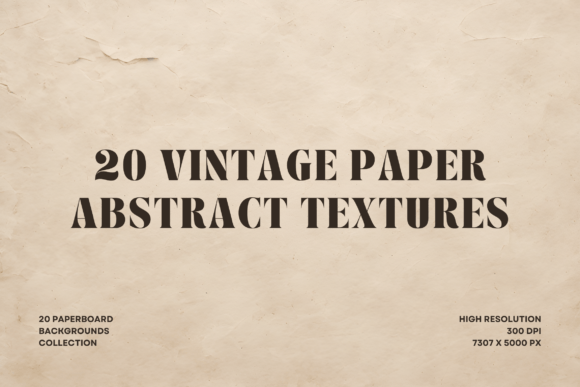
Vintage Paper Textured Backgrounds: Elevating Digital Design with Retro Nostalgia
In the fast-paced world of digital design, where sleek gradients and hyper-realistic 3D renders often dominate the visual landscape, there is a growing desire for authenticity. Designers and content creators are increasingly turning to Vintage Paper Textured Backgrounds to inject warmth, character, and a sense of history into their projects. These textures serve as more than just a backdrop; they act as a narrative device, instantly transporting the viewer to an era of analog craftsmanship. By integrating these elements, you can transform sterile digital spaces into engaging, tactile experiences that resonate deeply with audiences seeking connection and nostalgia.
The Challenge of Sterile Digital Aesthetics
One of the most common challenges facing modern designers is the "flatness" of digital media. Screens are inherently cold and uniform. When a brand or creator relies solely on solid colors or standard geometric shapes, the result can feel impersonal and forgettable. This lack of texture often fails to evoke an emotional response, leaving the audience scrolling past without engagement. The goal for many professionals is to break through this visual noise and create a design that feels human, curated, and trustworthy.
Furthermore, there is a specific need for versatility in design assets. A single project might require high-resolution images for print banners, crisp files for social media stories, and scalable elements for web galleries. Finding resources that maintain quality across such diverse applications can be frustrating. Many free assets suffer from low resolution, visible compression artifacts, or repetitive patterns that look cheap when scaled up. This is where a comprehensive solution like a dedicated pack of Vintage White and Brown Paper Textured Backgrounds becomes essential for maintaining professional standards.
How Vintage Textures Address Design Needs
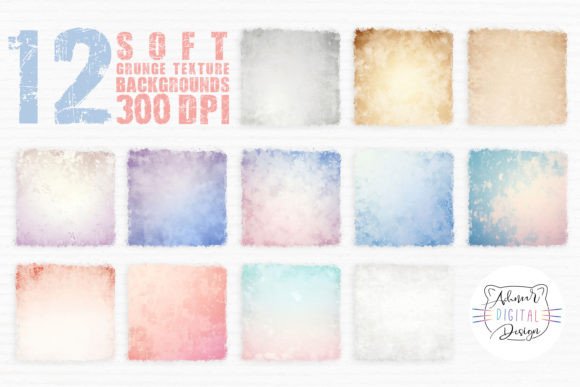
Vintage Paper Textured Backgrounds directly address the need for depth and atmosphere. By overlaying subtle imperfections—such as fiber grain, slight discoloration, or crease marks—these textures mimic the physical reality of paper. This creates a psychological bridge between the digital screen and the tangible world. The retro vintage nostalgia effect is not merely an aesthetic choice; it is a strategic tool to build trust. In marketing, materials that look hand-crafted or archival often convey a message of heritage, reliability, and attention to detail.
Consider the specific utility of a pack containing 20 horizontal JPG files with a high resolution of 7307 x 5000 px. This level of detail ensures that whether you are designing a massive billboard or a small Instagram story, the texture remains crisp and authentic. Unlike lower-quality alternatives that blur or pixelate upon zooming, these high-resolution assets allow for intricate layering. You can place bold typography over a brown kraft paper texture or delicate vector illustrations over a white aged paper background without losing clarity. This flexibility empowers designers to experiment with contrast and hierarchy while maintaining a cohesive visual theme.
Practical Applications Across Media
The versatility of these textured backdrops makes them suitable for a wide array of practical applications. For web design, incorporating a subtle paper texture behind a hero section can soften the harshness of a browser window, making the site feel more inviting. It works particularly well for blogs, portfolios, and e-commerce sites selling artisanal or handmade goods.
For print media, the application is even more critical. Posters, brochures, and flyers benefit immensely from the added dimension of paper grain. When printed, the digital texture interacts with the actual ink and paper stock, creating a rich, layered effect that flat colors cannot achieve. A template with vector background illustration paired with these textures allows for precise control over layout, ensuring that text remains legible while the background adds necessary context.
Social media platforms also offer unique opportunities. A social media post or story cover featuring a vintage brown paper texture can stand out in a feed dominated by bright, saturated photos. It signals to the user that the content within is curated, perhaps educational or reflective. Similarly, for a website gallery, using consistent textured backgrounds for image frames can unify a collection of disparate photos, giving the gallery a cohesive, museum-like feel.
Strategic Implementation for Different Users
Different users will approach the integration of Vintage Paper Textured Backgrounds based on their specific goals and technical proficiency. A graphic designer working on a brand identity might use the white and brown variations to establish a color palette that reflects eco-friendliness and sustainability. They might layer the textures at low opacity to ensure that corporate logos remain the focal point while still benefiting from the atmospheric depth.
On the other hand, a social media manager might prioritize speed and consistency. With a pack containing 20 distinct options, they can rotate through different textures to keep their content fresh without spending hours searching for new assets each week. They might pair these backgrounds with trendy illustrations and vibrant colors to create a "modern vintage" look—a fusion of old-world charm and contemporary aesthetics. This approach is particularly effective for lifestyle brands, cafes, and boutique retailers aiming to attract a younger demographic that appreciates retro trends.
For photographers looking to create mockups, these backgrounds provide a realistic stage. Placing a product shot onto a textured paperboard backdrop can simulate a studio environment, saving time and money on physical set design. The high resolution ensures that close-up shots of product details do not reveal any digital artifacts, maintaining the illusion of a real-world setting.
Recommendations for Best Results
To get the most out of Vintage Paper Textured Backgrounds, consider the following recommendations:
- Balance Texture and Content: While textures add depth, they should never overpower the primary message. Use blending modes like "Multiply" or "Overlay" to integrate the texture seamlessly with your text or graphics.
- Match the Tone: Choose white paper textures for clean, minimal designs that require a hint of age, and opt for brown textures for rustic, industrial, or organic themes.
- Leverage High Resolution: Take full advantage of the 7307 x 5000 px dimensions. Crop and scale freely for different formats without worrying about quality loss.
- Combine with Vector Elements: Pair these raster textures with vector background illustrations. The sharp lines of vectors contrast beautifully with the organic randomness of paper grain, creating a dynamic visual tension.
Ultimately, the decision to use Vintage Paper Textured Backgrounds is a commitment to quality storytelling. In a digital environment that often prioritizes speed over substance, these textures remind us of the value of craft and history. Whether you are designing a banner for a local event, a website gallery for an artist, or a series of social media posts for a startup, these assets provide the foundation for work that feels both timeless and relevant. By embracing the retro vintage nostalgia effect, you not only enhance the visual appeal of your projects but also connect with your audience on a deeper, more emotional level.