Elevating Digital Presence with the Czech Flag Horizontal Web Banner in Modern Neomorphism
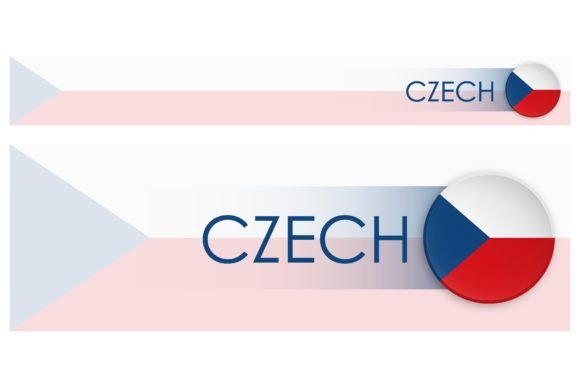
In the rapidly evolving landscape of digital design, the intersection of national identity and contemporary aesthetic trends offers a unique opportunity for brands and creators to stand out. One such innovation is the Czech Flag Horizontal Web Banner in Modern Neomorphism. This graphic asset represents more than just a visual representation of the Czech Republic; it is a testament to how traditional symbols can be reimagined through cutting-edge design principles to meet the demands of modern user interfaces. By merging the iconic red, white, and blue of the Czech flag with the soft shadows and extruded depth of neomorphism, designers are crafting digital experiences that feel both familiar and distinctly futuristic.
For professionals, entrepreneurs, and marketers looking to enhance their mobile apps or internet sites, understanding the nuances of this design approach is crucial. It serves as a bridge between cultural heritage and technological advancement, offering a sleek, tactile interface element that resonates with today's tech-savvy audience. As we delve deeper into the specifics of this trend, we will explore why this particular style is gaining traction, how it fits into broader industry shifts, and the practical benefits it brings to digital workflows.
The Convergence of National Identity and Neomorphic Design
To appreciate the impact of the Czech Flag Horizontal Web Banner in Modern Neomorphism, one must first understand the two distinct elements it combines. The Czech flag, with its bold horizontal bands and distinctive wedge, has long been a symbol of resilience and culture. Traditionally, digital representations of flags were flat, vector-based images designed for clarity and scalability. While effective, these flat designs often lacked the tactile engagement that modern users expect from interactive interfaces.
Enter neomorphism, a design trend that emerged as an evolution of flat design. Characterized by soft shadows, subtle highlights, and a sense of depth that mimics physical objects emerging from the background, neomorphism creates an illusion of realism on a digital screen. When applied to the Czech flag, this style transforms a static image into a dynamic button or banner that appears to float above the interface. The result is a Czech country header button that invites interaction, blending the vibrancy of the nation's colors with the sophisticated, minimalist elegance of contemporary UI/UX standards.
Why the Shift Toward Tactile Interfaces?
The growing popularity of neomorphic assets like the Czech flag banner is not merely a stylistic choice; it reflects a deeper shift in consumer expectations. Users today are accustomed to high-fidelity graphics and seamless interactions across various devices. There is a rising demand for interfaces that feel intuitive and responsive, almost as if they possess physical weight. This "soft UI" approach reduces visual clutter while adding a layer of sophistication that flat design sometimes struggles to achieve.
Furthermore, as mobile usage continues to dominate web traffic, the need for compact yet impactful design elements becomes paramount. A horizontal web banner utilizing neomorphism fits perfectly within the constraints of mobile screens, providing clear visual cues without overwhelming the user. The vector format of these assets ensures that they remain crisp and scalable, whether viewed on a large desktop monitor or a small smartphone display. This versatility makes them an ideal choice for developers and designers aiming to optimize performance without sacrificing aesthetics.
Strategic Applications in Business and Marketing
For businesses and marketers, the integration of a Czech Flag Horizontal Web Banner in Modern Neomorphism can serve multiple strategic purposes. In an increasingly globalized market, establishing a strong local presence while maintaining a modern brand image is essential. This design asset allows companies targeting the Czech market—or those celebrating Czech partnerships—to do so with a level of professionalism that aligns with current design trends.
Consider the use case of a travel agency promoting tours to Prague or Brno. Instead of using a generic, flat icon, incorporating a neomorphic Czech flag banner can immediately signal quality and attention to detail. It suggests that the brand is forward-thinking and values the user experience. Similarly, tech startups launching products in Central Europe can leverage this design to create a sense of belonging and relevance among local users. The banner acts as a digital handshake, acknowledging the user's location while presenting the brand in a modern light.
- Enhanced User Engagement: The tactile nature of neomorphism encourages clicks and interactions, potentially improving conversion rates for call-to-action buttons styled as Czech flag banners.
- Brand Differentiation: In a sea of flat, cookie-cutter designs, a neomorphic approach helps a website or app stand out, creating a memorable visual identity.
- Cultural Resonance: Using a stylized version of the national flag fosters a connection with local audiences, demonstrating respect for regional identity while embracing global design standards.
Adapting to Changing Workflows and Preferences
The adoption of such specialized design assets also reflects changing workflows within the creative industry. Designers are no longer just creating static images; they are building systems and components that must adapt to various contexts. The availability of high-quality, vector-based neomorphic banners streamlines this process. Creators can integrate these elements quickly, knowing they will render correctly across different platforms and resolutions.
This efficiency is vital for freelancers and agencies working under tight deadlines. Rather than spending hours manually crafting shadows and gradients to achieve the neomorphic look, professionals can utilize pre-designed assets that adhere to strict design guidelines. This allows them to focus on higher-level strategy and creativity, ensuring that the final product is both visually stunning and functionally robust. The Czech Flag Horizontal Web Banner in Modern Neomorphism exemplifies this shift towards modular, reusable design components that prioritize both speed and quality.
Technological Advancements Driving the Trend
Behind the scenes, advancements in web technologies and rendering engines have made it easier to implement complex design styles like neomorphism. Modern CSS capabilities allow for precise control over box shadows, gradients, and border radii, enabling developers to replicate the soft, extruded look of neomorphic designs directly in code. This technical feasibility means that the Czech Flag Horizontal Web Banner is not just a static image but can be animated and interacted with dynamically.
Moreover, the rise of high-resolution displays and retina screens has heightened the importance of pixel-perfect graphics. Vector formats ensure that the intricate details of the neomorphic effect—such as the subtle interplay of light and shadow on the red and white stripes of the flag—remain sharp and clear. As technology continues to evolve, we can expect even more sophisticated applications of this style, potentially integrating motion graphics and micro-interactions that further enhance the user experience.
Observations on Consumer Behavior
Consumer behavior studies suggest that users are drawn to interfaces that feel polished and premium. The neomorphic style, with its clean lines and soft textures, conveys a sense of luxury and care. When applied to a national symbol like the Czech flag, it elevates the perception of the associated brand or platform. Users subconsciously associate the high-quality design with reliability and trustworthiness.
This psychological aspect is particularly relevant in sectors where trust is paramount, such as finance, healthcare, and e-commerce. A well-designed Czech flag banner can act as a subtle endorsement, reassuring users that they are interacting with a legitimate and professional entity. It bridges the gap between emotional connection (national pride) and rational decision-making (perceived quality), making it a powerful tool in the marketer's arsenal.
Future Outlook and Broader Implications
Looking ahead, the fusion of cultural symbols with modern design trends like neomorphism is likely to become more prevalent. As digital spaces continue to expand, the need for unique, culturally relevant, and aesthetically pleasing content will only grow. The Czech Flag Horizontal Web Banner in Modern Neomorphism is just one example of how designers are responding to this demand. It signals a future where national identities are celebrated not through rigid, traditional representations, but through innovative, adaptable, and engaging digital forms.
For professionals and enthusiasts alike, staying attuned to these trends is essential. Embracing the potential of neomorphism and similar styles allows for the creation of digital experiences that are not only functional but also emotionally resonant. Whether you are building a personal portfolio, launching a startup, or managing a corporate website, incorporating elements like the Czech flag banner can make a significant difference in how your brand is perceived.
Ultimately, the journey from a simple flag to a sophisticated neomorphic banner illustrates the power of design to transform the ordinary into the extraordinary. It is a celebration of craftsmanship where technological advancement meets traditional design elements, unleashing the vitality of the Czech spirit onscreen. As we move forward, let us continue to explore and embrace these creative possibilities, crafting digital environments that inspire, engage, and connect us all.
By integrating the Czech Flag Horizontal Web Banner in Modern Neomorphism into your projects, you are not just adding a graphic; you are making a statement about your commitment to excellence, innovation, and cultural appreciation. In a world where digital impressions are fleeting, such thoughtful design choices can leave a lasting impact.