Vector Iridescent Backgrounds: A Practical Evaluation for Design Projects
In the evolving landscape of digital and print media, visual assets play a critical role in capturing audience attention. Among the various stylistic choices available to designers, Vector Iridescent Backgrounds have emerged as a versatile tool for creating dynamic, light-reflective aesthetics without the constraints of raster limitations. These assets are specifically engineered to mimic the shifting, rainbow-like qualities of iridescence found in nature and modern materials, offering a high-quality foundation for a wide array of creative endeavors.
For professionals and hobbyists alike, understanding the technical specifications, application scenarios, and inherent tradeoffs of these vector files is essential before integrating them into a workflow. This evaluation explores what Vector Iridescent Backgrounds entail, when they serve as an optimal solution, and how they compare to alternative design approaches.
Understanding Vector Iridescent Backgrounds
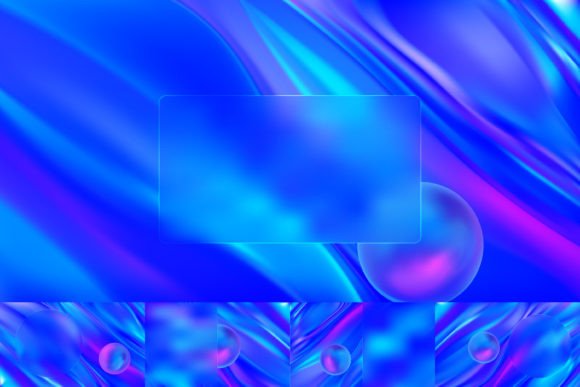
Vector Iridescent Backgrounds refer to scalable graphic illustrations that utilize mathematical paths rather than pixels to define shapes, gradients, and color transitions. Unlike standard raster images (such as JPEGs or PNGs), which degrade in quality when enlarged, vector files maintain crisp edges and smooth color blending at any resolution. The "iridescent" aspect describes the visual effect where colors appear to shift depending on the angle of view or light source, often achieved through complex gradient meshes and overlapping transparent layers within the vector format.
These specific assets are typically provided in a comprehensive package containing multiple file formats to ensure compatibility across different software environments. A standard distribution includes Ai files (Adobe Illustrator) and Eps files (Encapsulated PostScript) for full editability, alongside Jpeg files for quick previews or use in non-vector applications. Additionally, documentation such as a help file is often included to guide users through the editing process. The color mode for these digital assets is almost exclusively RGB, making them natively suited for screens and digital displays.
Why Designers Seek Vector Iridescent Assets
The interest in Vector Iridescent Backgrounds stems from a growing demand for modern, futuristic, and ethereal visual styles. Several factors drive this preference:
- Scalability Needs: Designers working on large-format prints, such as event posters or magazine covers, require assets that do not pixelate. Vector technology ensures that the intricate details of the iridescent effect remain sharp regardless of the final output size.
- Editability and Customization: One of the primary advantages is the ability to modify every element. Users can adjust hue, saturation, and gradient stops to match specific brand guidelines or project themes without losing image integrity.
- Efficiency: Creating a complex iridescent effect from scratch using gradient tools can be time-consuming. Pre-made vector backgrounds provide a high-quality starting point, significantly reducing production time.
- Versatility Across Media: Whether the goal is a social media headline for Instagram and Twitter, a Facebook promotion, or a printed flyer, these backgrounds adapt well to various dimensions and aspect ratios.
Benefits and Strategic Advantages
When evaluating Vector Iridescent Backgrounds against other options, several distinct benefits become apparent. The most significant advantage is the flexibility offered by the vector format. Because all elements are 100% vector, designers can isolate specific components, change colors instantly, and rearrange layers to create unique compositions. This level of control is particularly valuable for agencies managing multiple projects with varying color requirements.
Furthermore, the inclusion of both source files (Ai, Eps) and flattened versions (Jpeg) caters to different stages of the design process. Source files allow for deep customization, while Jpegs offer a lightweight option for web uploads where file size is a concern. The RGB color mode ensures that the vibrant, shifting colors render accurately on digital devices, which is crucial for social media promotions where screen brightness and color fidelity impact engagement.
From a practical standpoint, these assets streamline the creation of publication promotions like flyers, posters, and event papers. The high-resolution nature of vectors means that even when printed on large surfaces, the iridescent gradients will not exhibit banding or blurriness, maintaining a professional appearance.
Tradeoffs and Considerations
While Vector Iridescent Backgrounds offer substantial advantages, there are tradeoffs that decision-makers must consider. The primary limitation lies in the color mode. Since these assets are created in RGB, they are optimized for digital screens. If a project requires physical printing, converting RGB to CMYK can result in a loss of vibrancy. Iridescence relies heavily on bright, luminous colors that may not translate perfectly to standard ink processes. Designers intending to use these for print should anticipate potential color shifts and may need to adjust the palette manually during the conversion process.
Another consideration is software compatibility. To fully leverage the editable nature of Ai and Eps files, users require vector editing software such as Adobe Illustrator or compatible alternatives. While the included Jpeg files can be used in basic image editors, they forfeit the scalability and editability that define the value of the vector format. Additionally, complex vector files with many gradient meshes can sometimes increase processing time in design software, potentially slowing down workflows on less powerful hardware.
Situations Where Vector Iridescent Backgrounds Are a Strong Fit
These assets are an ideal choice for specific project types where visual impact and scalability are paramount:
- Digital Social Media Campaigns: For platforms like Instagram, Twitter, and Facebook, where content is viewed on high-resolution screens, the RGB optimization of these backgrounds ensures maximum visual appeal. They work exceptionally well for headlines, story overlays, and promotional banners.
- Event and Publication Promotions: When designing flyers, posters, or magazine spreads that require a modern aesthetic, the ability to scale the background to any size without quality loss is crucial. This makes them suitable for both digital ads and large-format print runs, provided color adjustments are made for print.
- Web Design Elements: Website headers, landing page backgrounds, and hero sections benefit from the lightweight yet high-quality nature of vector graphics, which load efficiently while retaining clarity on retina displays.
- Brand Identity Refreshes: Companies looking to adopt a futuristic or tech-forward visual identity can use these customizable assets to align their marketing materials with current design trends.
When Alternatives May Be Worth Considering
Despite their versatility, Vector Iridescent Backgrounds may not be the optimal solution for every scenario. If a project strictly adheres to CMYK printing standards with no tolerance for color deviation, a custom-designed CMYK asset might be safer. Similarly, if the design requires a photorealistic texture that mimics physical holographic foil, a photograph of actual material or a high-end 3D render might provide more realistic lighting interactions than a vector illustration.
Furthermore, for simple web graphics where scalability is not a concern and file size is the only metric, a compressed raster image might suffice, avoiding the complexity of opening and editing vector files. In cases where the design team lacks proficiency with vector software, the learning curve required to edit Ai or Eps files could outweigh the benefits of customization, making pre-rendered raster templates a more pragmatic choice.
Practical Decision-Making Insights
To determine if Vector Iridescent Backgrounds align with your goals, assess your primary output medium and your technical capabilities. If your focus is digital promotion across social media and web platforms, the RGB vector format offers superior quality and flexibility. Ensure you have access to vector editing software to unlock the full potential of the Ai and Eps files. For print projects, verify that your printer can handle the necessary color conversions or be prepared to adjust the color profile manually.
Ultimately, the value of these backgrounds lies in their balance between aesthetic appeal and technical utility. By providing a scalable, editable, and high-quality foundation, they empower designers to create compelling visuals for everything from a quick social media post to a large-scale publication. However, success depends on understanding the limitations regarding color modes and ensuring the right tools are in place to manipulate the vector elements effectively.