Classic Grunge Texture Backgrounds: The Ultimate Vintage Aesthetic Toolkit
There is a distinct feeling when you look at an old, worn-out wall or a weathered piece of paper. It tells a story of time, use, and history. In the digital realm, achieving that same depth and character can be surprisingly difficult with smooth, vector-perfect graphics. This is where Classic Grunge Texture Backgrounds become an essential asset for anyone looking to break away from the sterile perfection of modern design. Welcome to our collection, specifically curated for graphic designers, photographers, digital artists, web designers, illustrators, and content creators who want to infuse their projects with a hint of vintage charm.
Beyond the Surface: What Makes These Textures Unique?
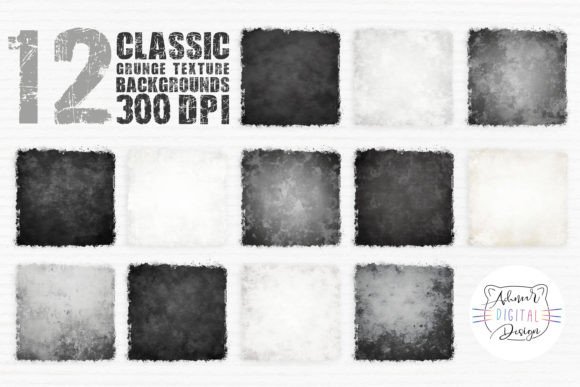
At its core, this collection isn't just about adding noise to an image; it's about introducing tactile realism to a flat screen. When we talk about Classic Grunge Texture Backgrounds, we are referring to high-fidelity digital representations of physical decay, wear, and organic imperfection. Unlike generated filters that often look repetitive or artificial, these textures capture the nuances of real-world materials—cracked paint, dust, scratches, and faded ink.
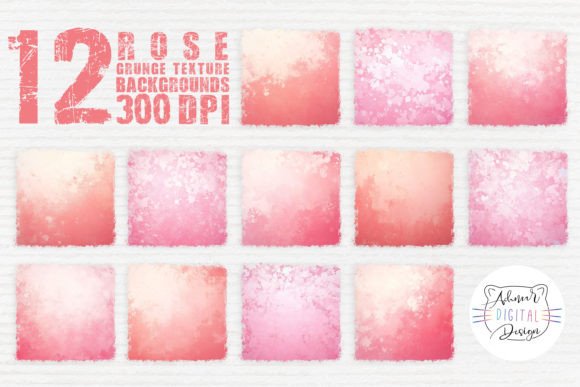
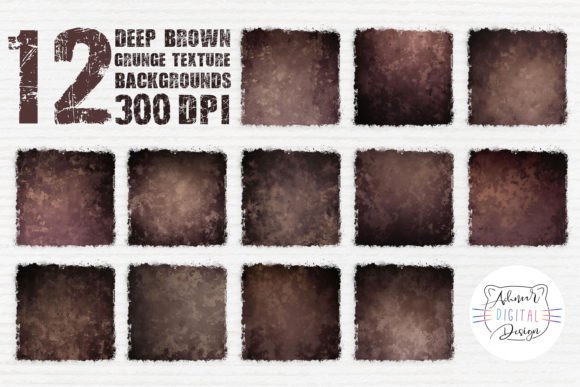
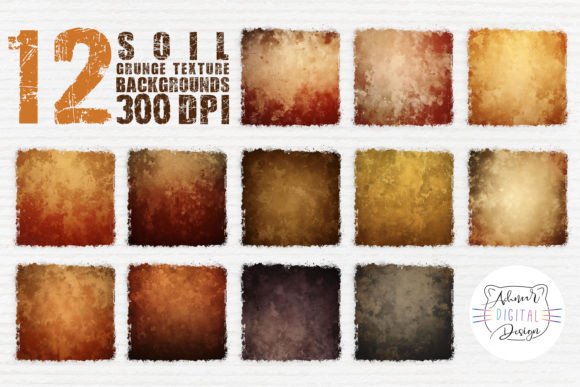
The practical value lies in the resolution and format. You receive one zipped file containing 12 distinct graphic elements, all provided in JPEG format at a crisp 300 DPI. This high resolution is crucial because grunge textures rely on fine details. If you zoom in on a low-resolution texture, the grit turns into pixelated blobs, destroying the illusion of reality. With 300 DPI, you have the freedom to print large-format posters or crop specific sections for detailed social media headers without losing clarity.
Real-World Applications for Designers and Artists
The versatility of these backgrounds extends far beyond simple wallpaper. Let’s explore how different professionals can leverage these assets to solve specific creative challenges.
Graphic Designers and Poster Art
For graphic designers working on event flyers, music album covers, or streetwear branding, the "clean" look is often too safe. Classic Grunge Texture Backgrounds provide the perfect canvas for bold typography. Imagine a concert poster for an indie rock band. Placing stark white text over a solid black background is effective, but placing it over a distressed, charcoal-grey grunge texture instantly adds attitude and energy. The texture interacts with the edges of the letters, making them feel like they were stenciled onto a rough surface rather than typed on a computer. This technique is particularly popular in the music and fashion industries where authenticity and edge are currency.
Photographers and Photo Manipulation
Photographers often struggle to give digital images a timeless quality. Modern photos can sometimes feel too sharp and clinical. By overlaying these textures using blending modes like "Multiply," "Overlay," or "Soft Light," you can introduce a layer of nostalgia. For instance, a portrait shot in natural light can be transformed into something resembling a vintage film photograph simply by adding a subtle dust and scratch texture. It softens the harshness of digital sensors and gives the subject a sense of history. This is especially useful for wedding photographers aiming for a rustic aesthetic or commercial photographers shooting products for heritage brands.
Web Designers and UI/UX Creators
In web design, there is a growing trend toward "brutalism" and retro-futurism. Web designers can use these Classic Grunge Texture Backgrounds to create unique section dividers, hero images, or footer backgrounds that stand out against the sea of minimalist, flat-design websites. However, usability is key here. The trick is subtlety. Using a heavy texture as a full-page background might make text hard to read. Instead, consider using the texture as a backdrop for a specific call-to-action button or as a faint overlay behind a navigation bar. This adds visual interest without compromising accessibility.
Illustrators and Digital Painters
Digital illustrators often spend hours trying to simulate paper grain or canvas texture. Having a library of 12 high-quality options saves immense time. You can import these textures as a top layer in your illustration software and adjust the opacity to let your line work shine through while retaining the organic feel of traditional media. Whether you are creating comic book panels, concept art for games, or editorial illustrations, these textures help bridge the gap between digital efficiency and analog warmth.
Navigating the Creative Process: Considerations Before You Start
While these resources are powerful, applying them effectively requires a bit of strategic thinking. Here are some practical observations to keep in mind before integrating them into your workflow.
- Color Harmony: Grunge textures often come with inherent color tones—sepia, blueish greys, or rusty reds. Ensure these underlying colors complement your main palette. If a texture clashes, use adjustment layers (like Hue/Saturation) to neutralize it before applying it to your project.
- Blending Modes are Key: Never just place a texture on top of your image at 100% opacity. Experiment with blending modes. "Multiply" is excellent for darkening areas and showing cracks, while "Screen" works well for highlighting dust and light scratches. Finding the right mode is what makes the texture look integrated rather than pasted on.
- Context Matters: Not every project needs a gritty background. Luxury tech products or medical branding usually benefit from cleanliness. Use Classic Grunge Texture Backgrounds when the message involves history, rebellion, nature, craftsmanship, or nostalgia. Misapplying the aesthetic can send mixed signals to your audience.
Strengths and Limitations of the Collection
One of the primary strengths of this specific collection is the variety within the single zip file. Having 12 different files means you aren't limited to one style of grunge. Some might be better suited for heavy industrial looks, while others offer a softer, more paper-like finish. The high resolution ensures scalability, meaning you can use the same asset for a small Instagram story and a massive billboard.
However, there are limitations to be aware of. Since the files are in JPEG format, they do not support transparency like PNGs would. If you need a texture with a transparent background to overlay directly onto complex shapes without a bounding box, you will need to mask the background in your editing software first. Additionally, while the textures are versatile, they are static. They won't animate or react to user interaction, so they are best suited for static imagery, print, or non-interactive web elements.
Elevating Your Creative Projects Today
Whether you are designing a vintage-style poster, enhancing a portfolio photo, or customizing a website background, the right texture can make the difference between a good project and a great one. These Classic Grunge Texture Backgrounds are designed to be the finishing touch that adds soul to your digital creations. Don't miss out on the chance to elevate your digital artwork, enhance photos, add texture to illustrations, create vintage effects, design posters, or customize website backgrounds with these premium textures.
Upgrade your creative projects today with these exquisite backgrounds and discover how a little bit of digital wear and tear can bring your vision to life with authentic character.